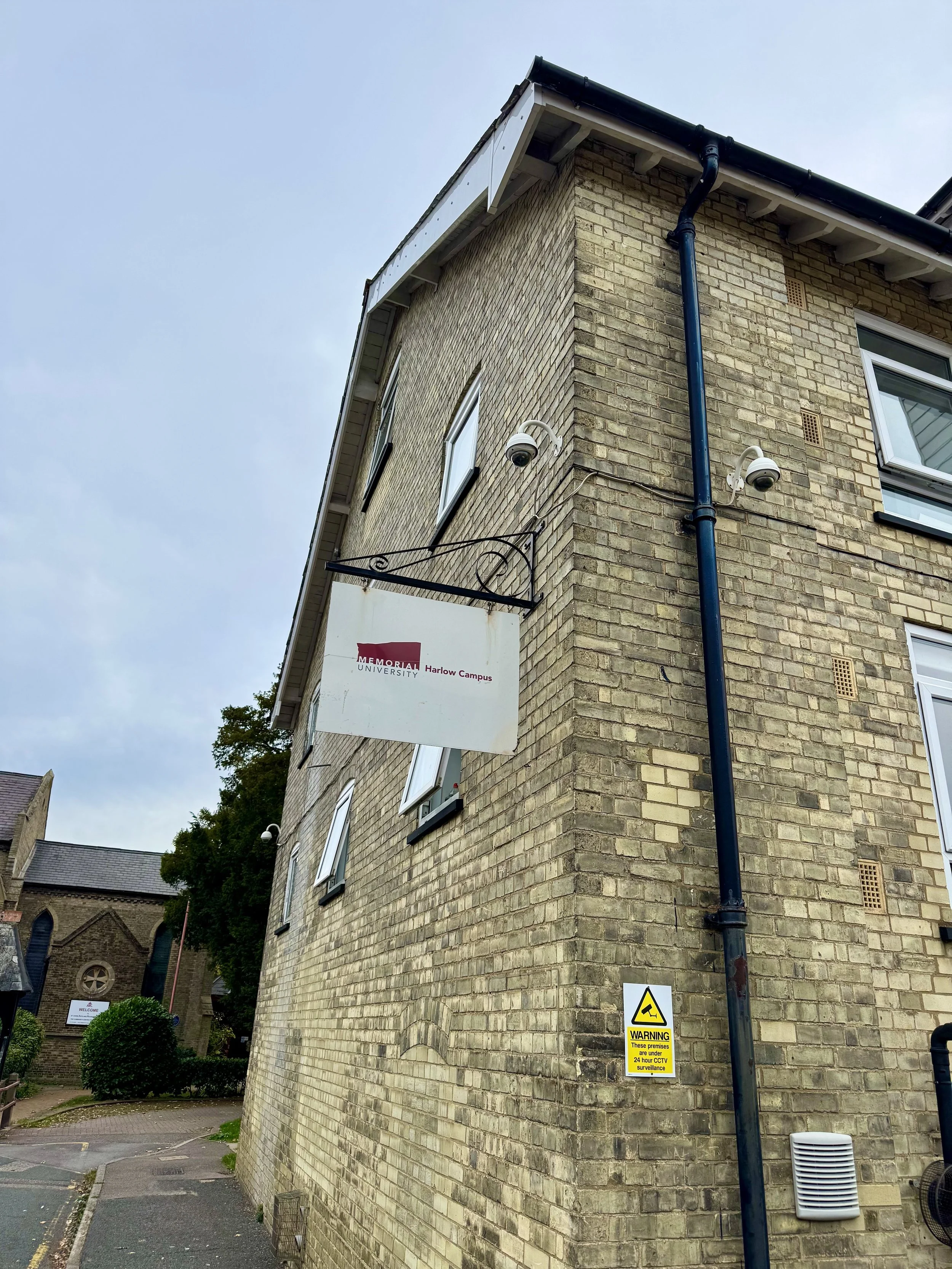
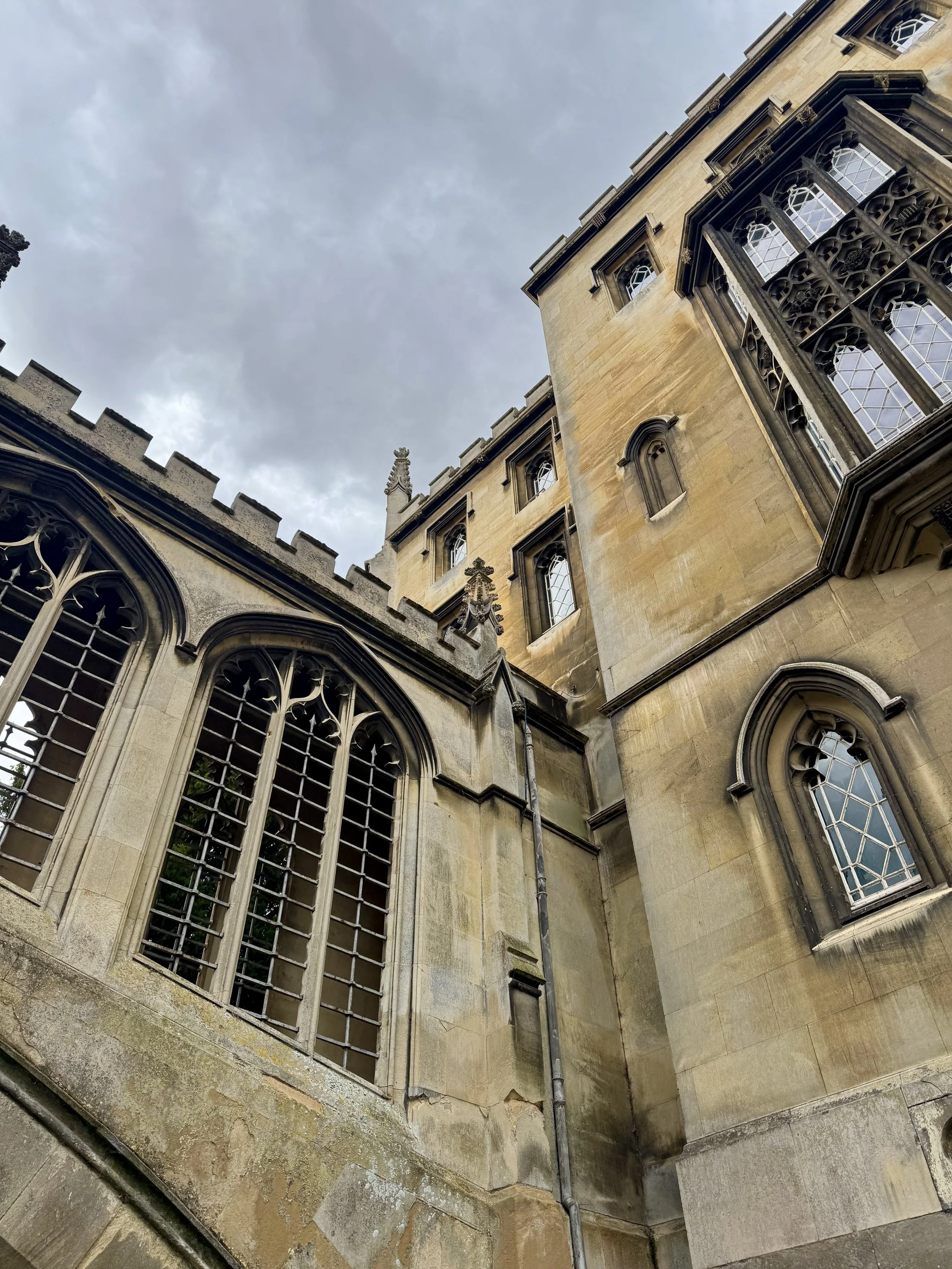
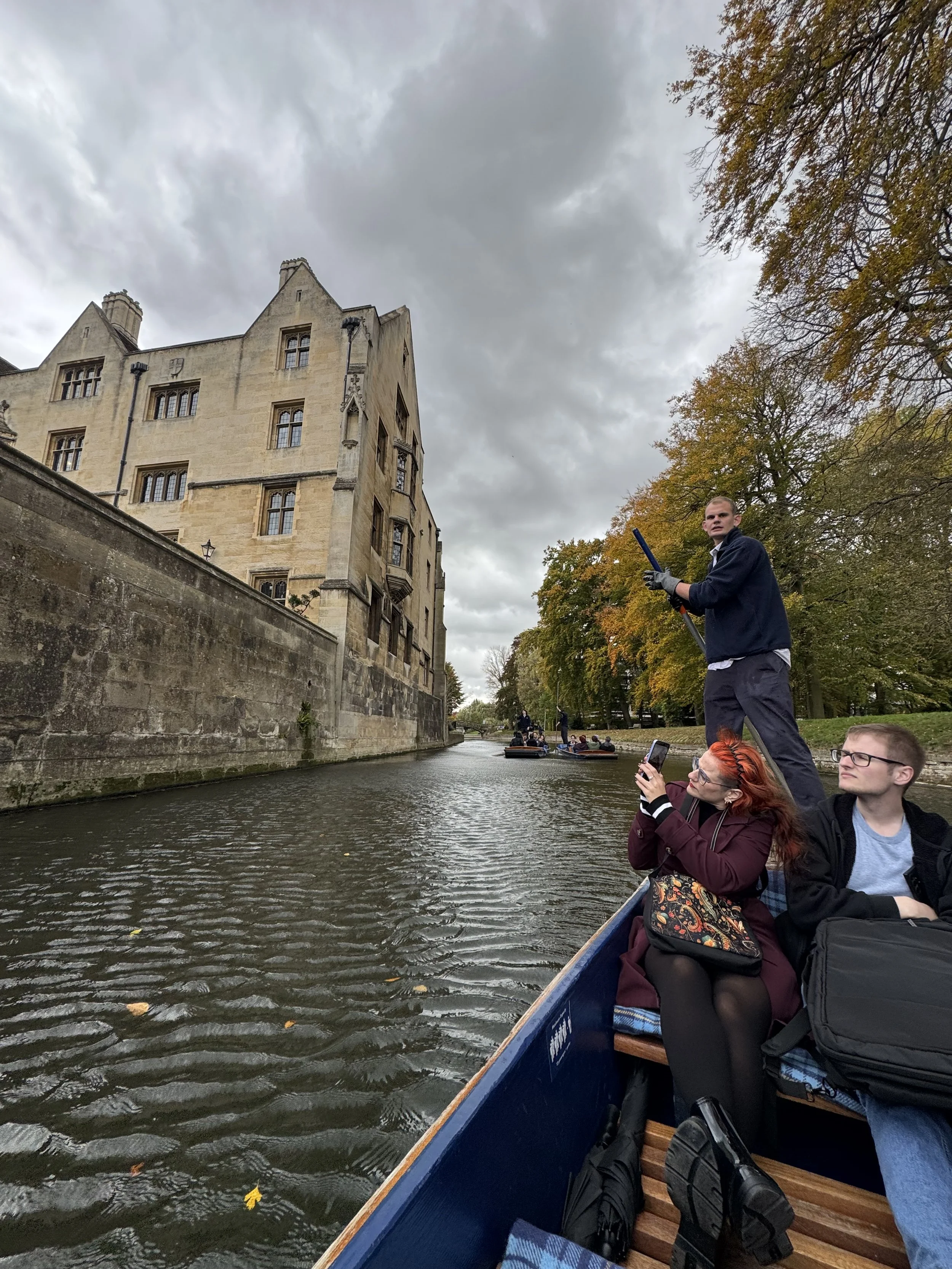
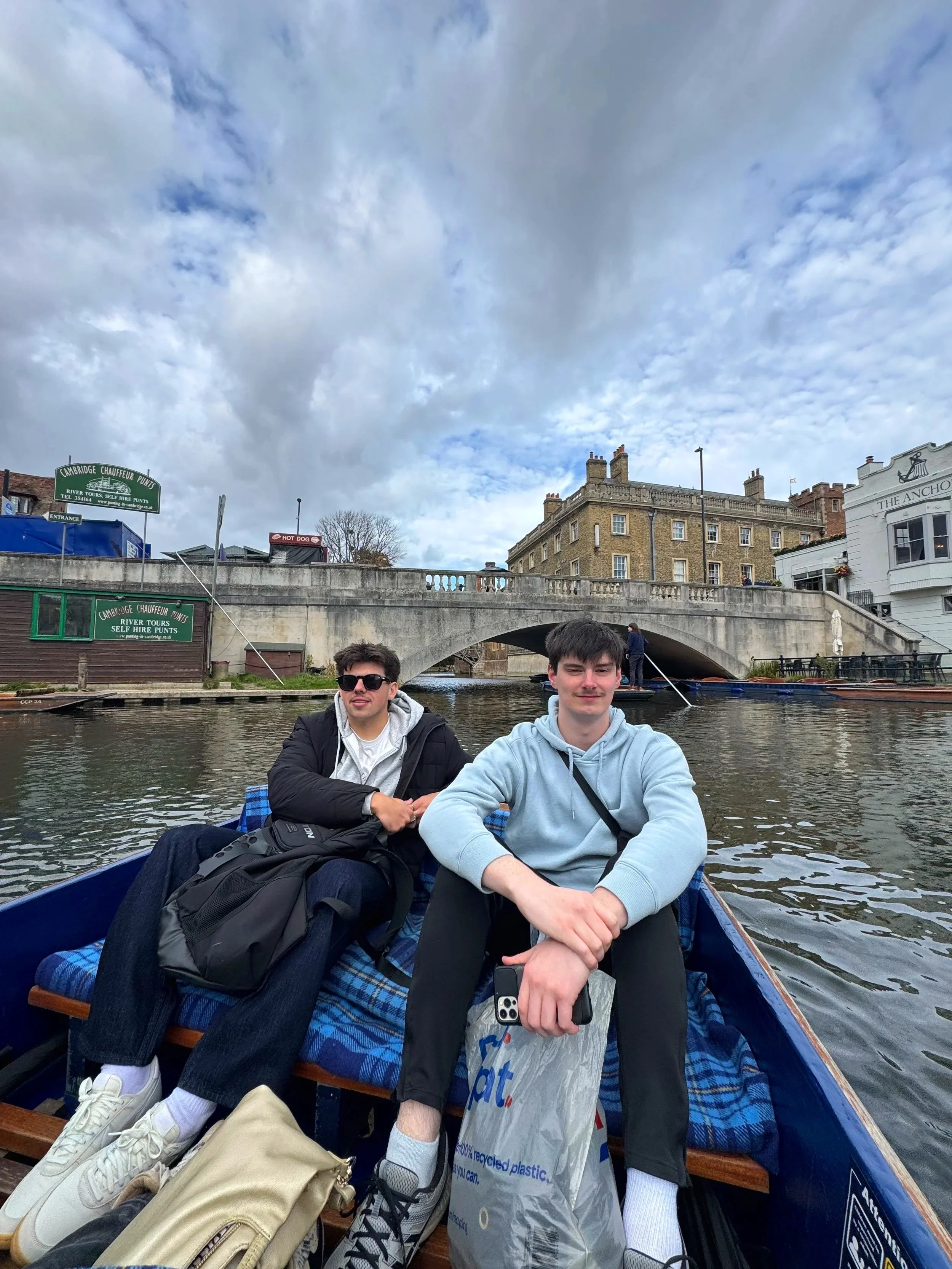
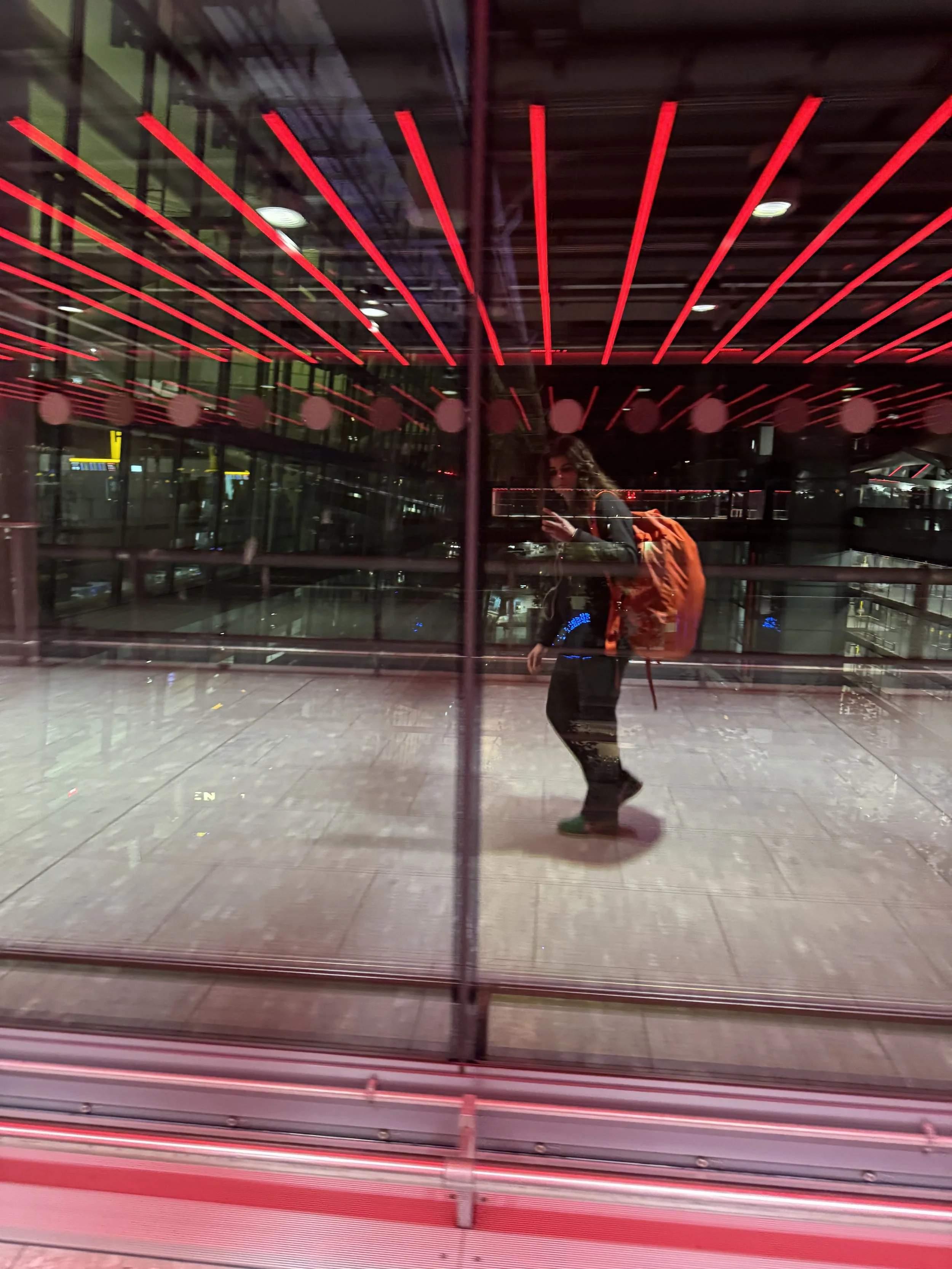
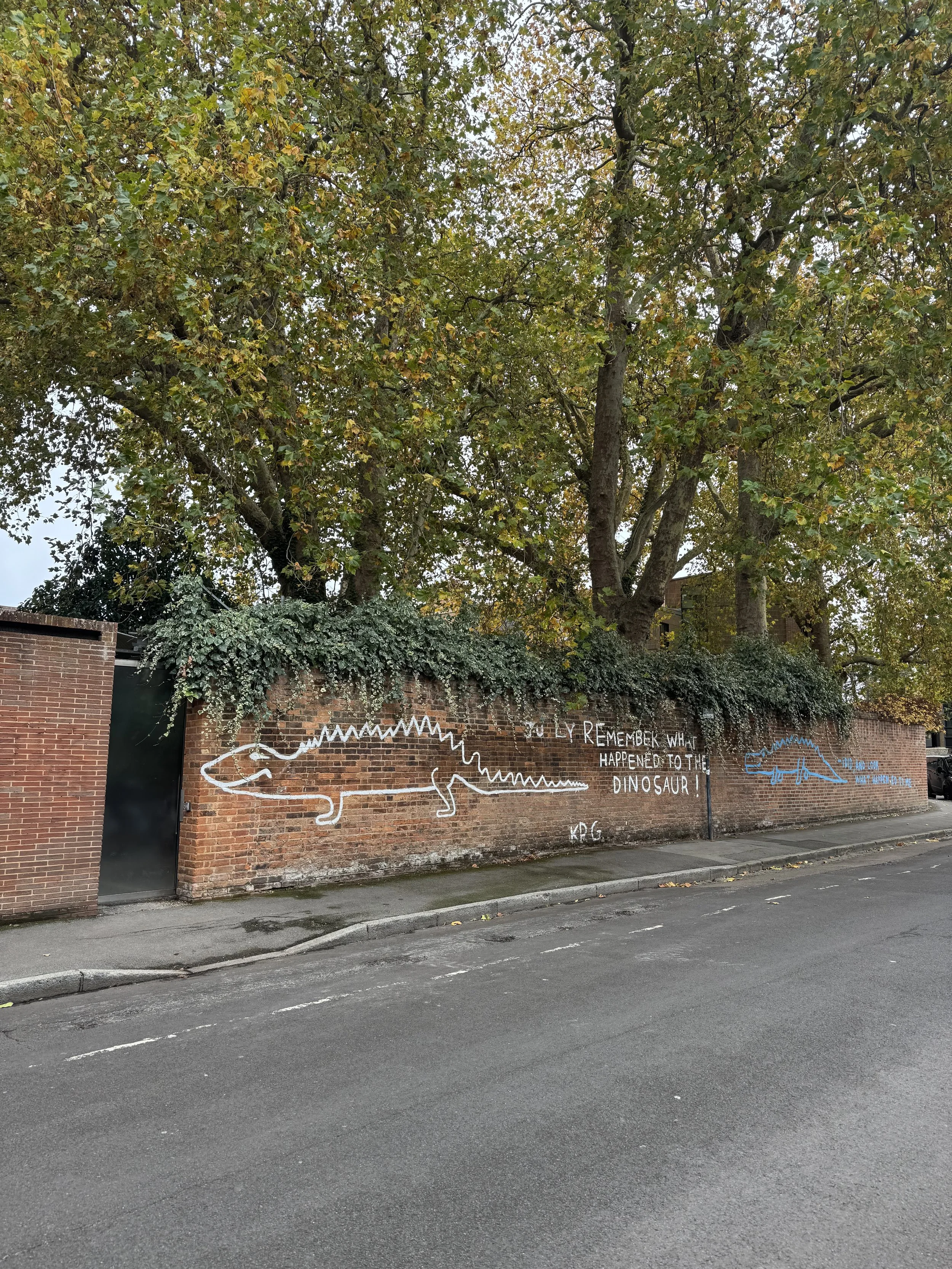
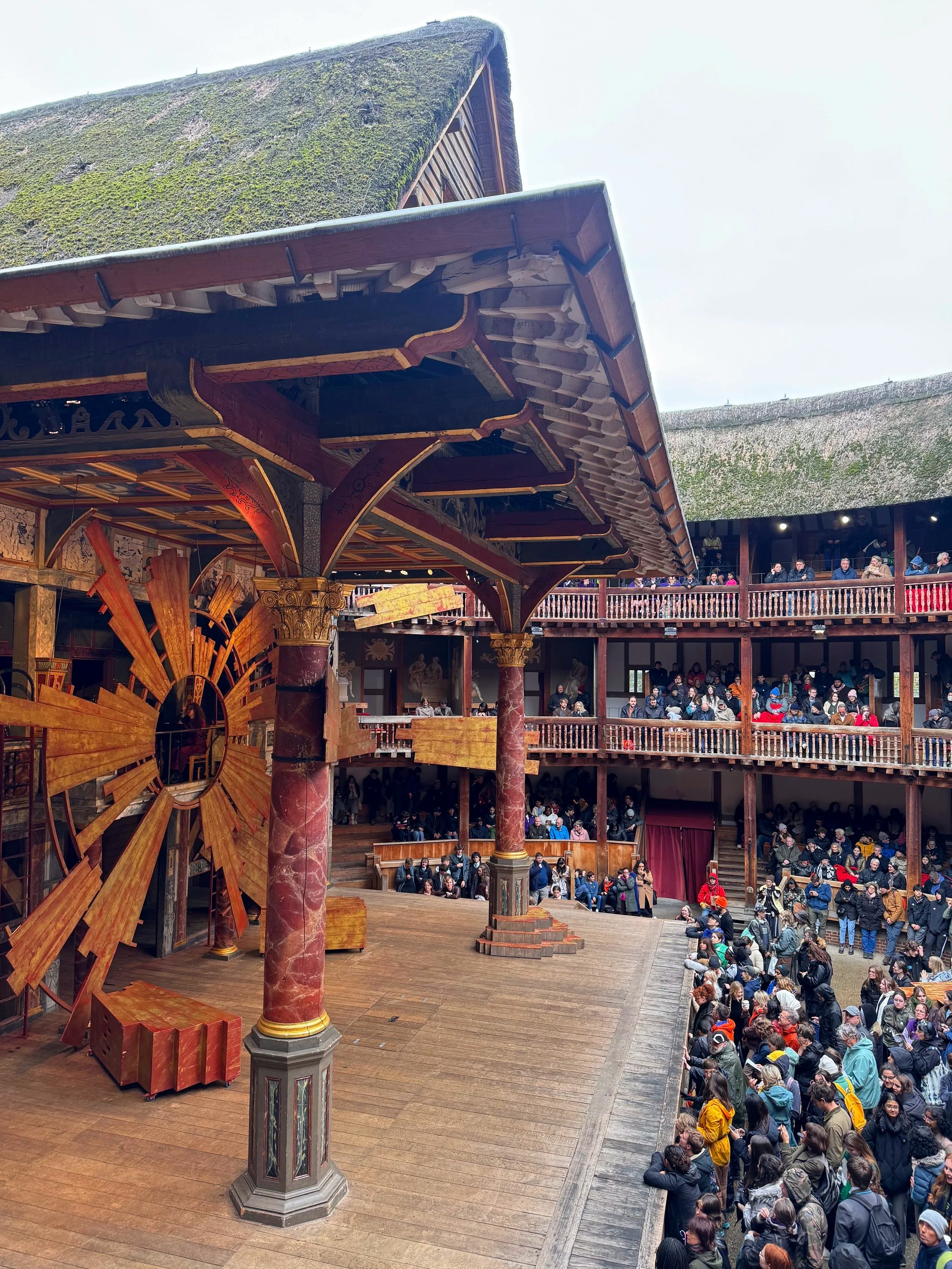
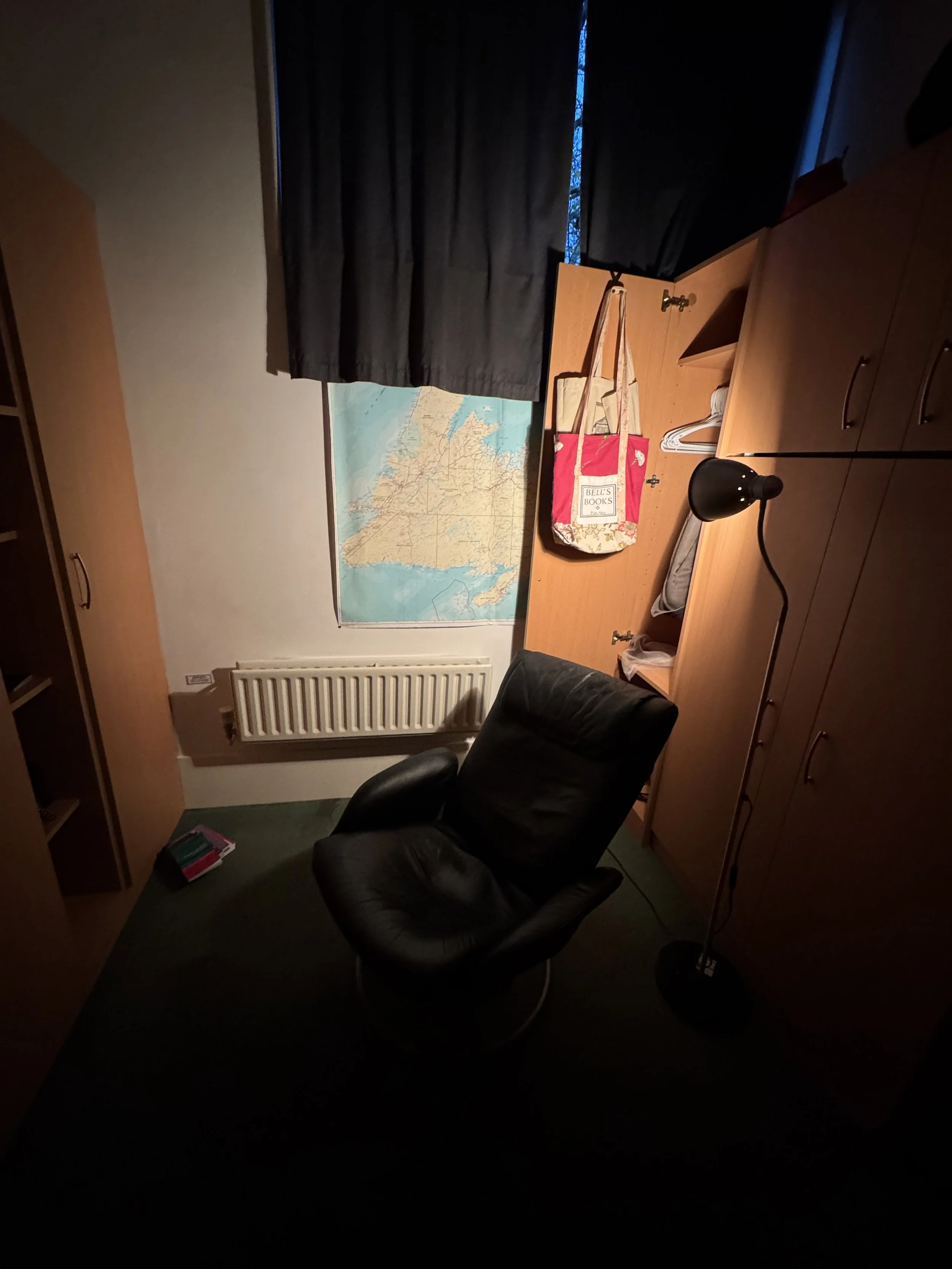
Harlow Campus, opened doors in 1969 amid post-war urban renewal, linking the New Town settlement organization in Essex, UK, in co-interest to the work of Lord Harlow; thought to converting a begotten grain mill into an eloquent campus hub like no other enclave, administering a unique transatlantic bond between Newfoundland and the standing relationship with Britain, as President of Memorial University. Contemporary finances has operations minding the sale of the property—managing payback for a small bit of a larger debt risk(s) severing a designated foraging link for cross-cultural student experiences in transient spaces, visiting remission of future opportunities.
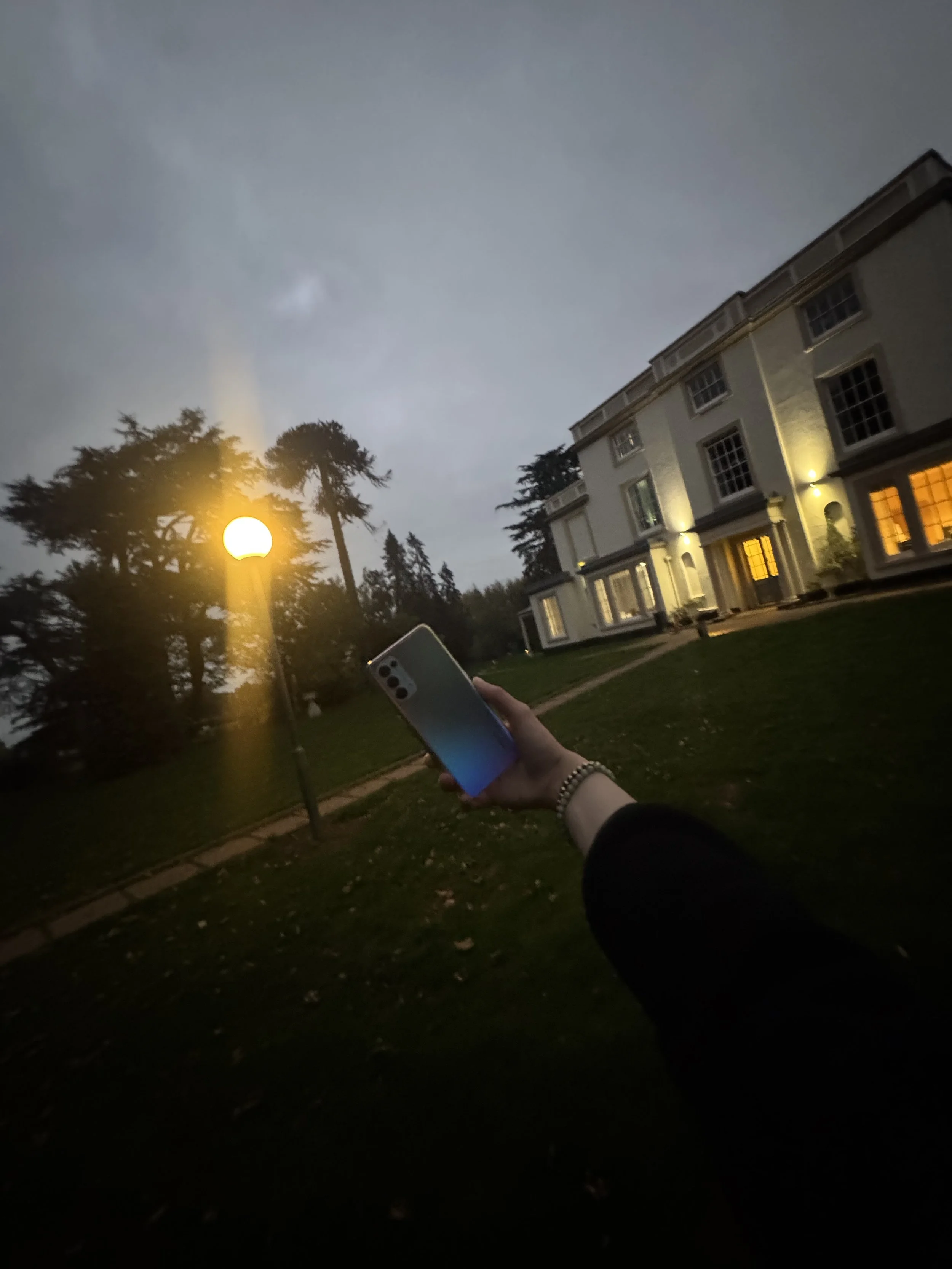
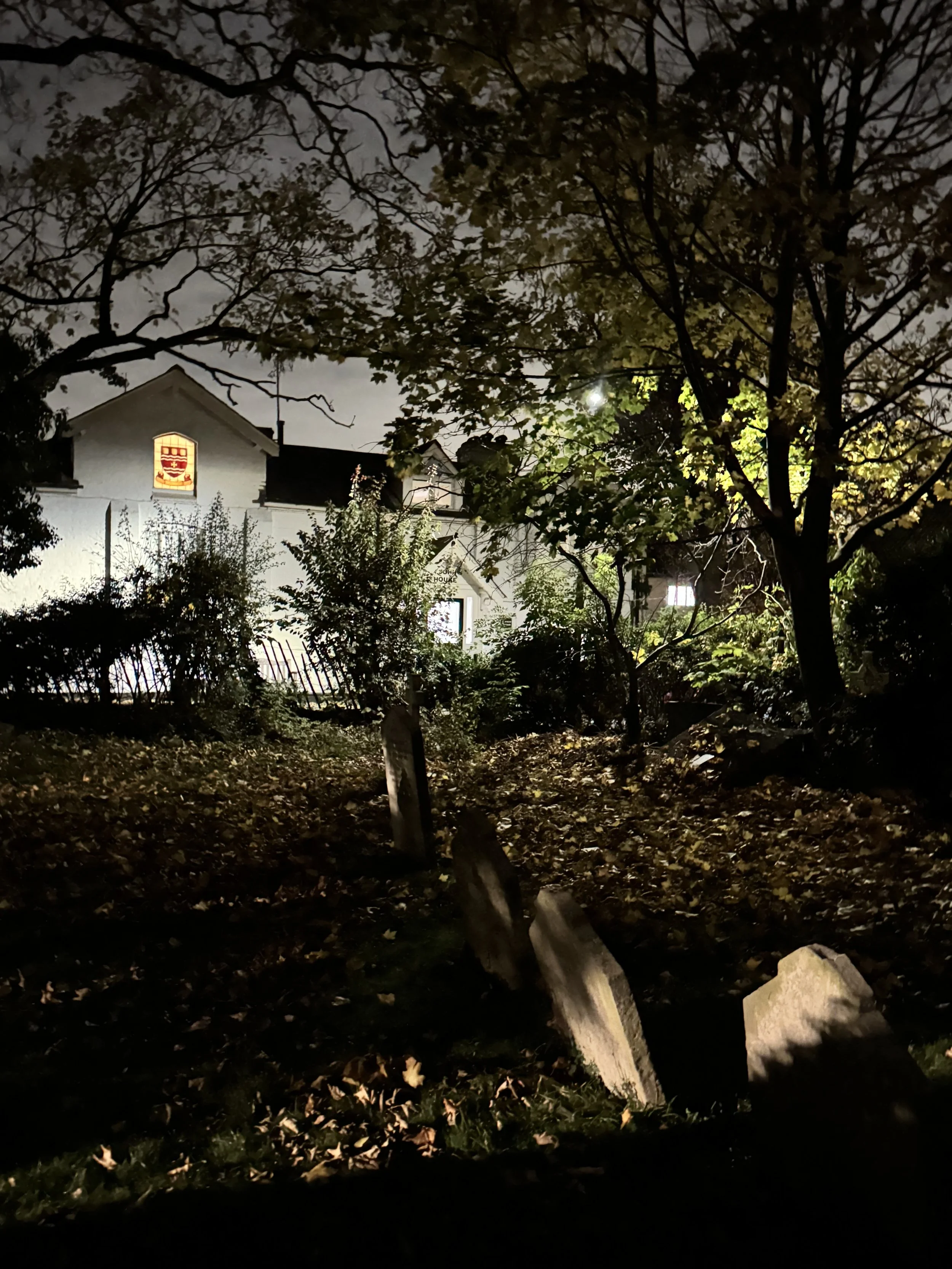
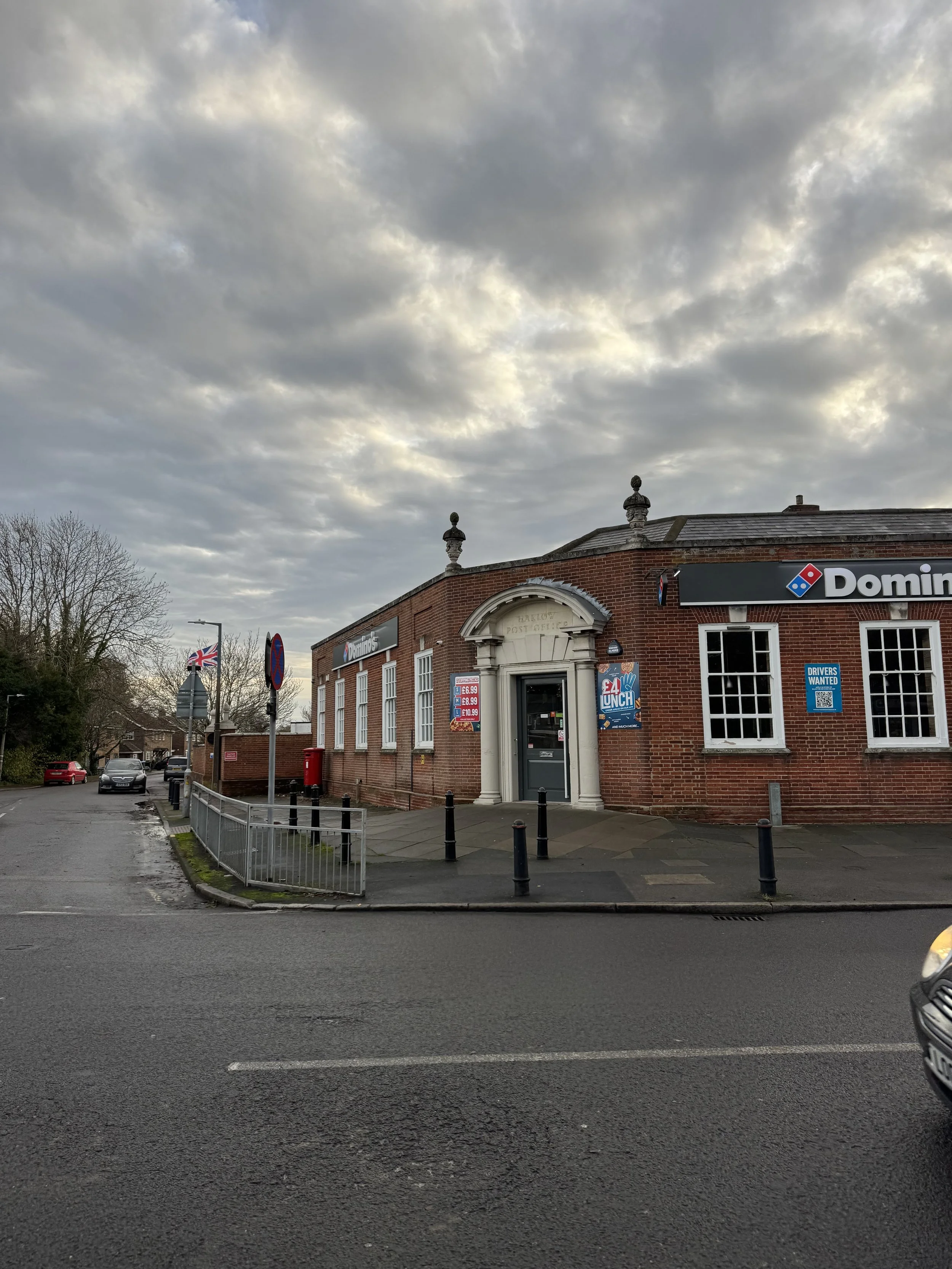
Old Harlow townsite predates the Domesday Book of 1086, such site displaying evidence of Palaeolithic, Mesolithic, Neolithic, Bronze Age, Iron Age, and Roman occupation, including a sacred temple site once worshipped by those on early roads of travel. A pin-point market town with medieval roots of passing: location, location, location… met checkpoint again as a stop along the 19th century Victorian rail. The Maltings, what is now framing the campus’s core structure, was constructed in the year 1900 by J. Harrington & Son in the St. John’s Walk for grain drying, later the shop bunker was repurposed as a machine site by de Havilland aircraft company before MUN’s acquisition by council measures. The property is a convenient trot in proximity to the Harlow Mill Station, commuting a fair time to the Centre of London or Cambridge by opposing direction on the line. An ideal site between, next to the town arts centre, hosting a quaint spot of genius loci potential—orchestrating in a residence that presently boasts eurodam connection, home is truly wherever the wifi connects, Memorial must hone such link(s).
In 1967, Joey Smallwood, the Premier of Newfoundland, asked Lord Steven Taylor to consider tenure at Memorial University, to which he accepted as president and vice chancellor, forging the present structure of the engineering and medical departments amongst his precedents. Prior in experience, Baron Taylor was a trained neuropsychiatrist, with a breadth of wartime observation in the field, following tenure at the Ministry of Information. After stationary general practice, living in neighbouring positions, Taylor became affiliated with the Harlow New Town Development Corp. appointed Medical Director to Industrial Health Services around permissions imminently breaking ground. It was the unbounded yet personal prospect of linking St. John’s “the oldest town in the New World” to Harlow “the newest in the Old World.” The campus construction, in state of remission and contingent to sale, became the product of a dilapidated state. Dr. Ben Hyde-Harvey, a founding Chairman of the Board of Trustees for Harlow was the first person Lord Taylor consulted with the novel idea of Memorial facilitating a property centre in Harlow, with particular interest in the desirable designation of Old Town. Architect and renowned modernist Sir Frederick Gibberd designed the brewery* remodel of the campus. The structure was one of the first successes of the Harlow New Town project, as relatively bespoke, atypically unified in place of architectural design for long term refurbishment, displaying a semi-hidden sanctuary, honing competence in the vision of a dilapidated gilded age hanger, ideally situated across from an Old English schoolhouse, as a gateway to the ‘Stansted’ of conversation and practicum for thousands.
Leading a principal mission, The Harlow New Town ‘project’ began with constructing council housing for those displaced apart from London and neighbouring boroughs by mass post-war resettlement waves, constructing a ring of (8) realistic community towns of thoughtful design prioritizing well laid services and accessibilities; minding the function of neighbouring people for the enhancement of environmental quality. For new construction, gardens were thought out. Space to think of minding a chasm, for peace in work and progressions of daily life in living. The philosophical basis of design for the municipality was that of the Garden City movement in framing landscape architecture boundaries, social dimensions of gathering and interaction, with lines of walkability and buildings in mind of the human condition. In flourishing, assembling standing communal clusters laid densities of entries distinct to tiny gardens of small green-space, leaving land at level by those settled before on their path of discovery—reformation in movement is apart from the contestants of existing for a lifetime within confined space besides regions. Some places happen in passing, for experience is by invention, as just another facilitation. That is what minds physical administration in the process of learning, growing; moving into the boundaries of domestic companions abode.
For a legacy to sustain operational function, a company to last beyond the point of a century, beyond affirming designation in modern office, collecting a broader difficulty than that of debt, the uncertainty for future investment in an age of a period set to dramatically shift amongst technological (human) developments. The impending state of (re)mission, the pandemic(s), was a compounding virus of symptoms/disease amid forced isolation, effects shifting loss(es) in marketable realities to portfolios of imaginary numbers confronting new age autonomy in administering temporary productions of confined beings. A threat can break existing constraints, creating a new order in which human industry is forced to confront deficits as the expansion cycle turns downward. To what is the degree worth, if not the prerequisite value of numbering ourselves as beings?
Memorial University of Newfoundland originated as Memorial University College in 1925; for 2025 was the centenary year for the institution, changes to dissipate into future-forward Obsidian era hours of the library. The University itself was established as a living memorial to Newfoundlanders lost in the first world war. Stagnant growth in following years of feeling global depressions *first among the ‘cold drought' picked up following divisive referendums, a choice leading to Newfoundland joining Canadian confederation as the 10th province on March 31, 1949. In exchange, the union and new government offered necessary social services, buildings and economic incentive to a financially struggling colony on the brink of final deficits entrenched in a working history of capital extraction by exploitation; under merchant capital, the hard labour of the settlers industry planted fishing arrangements, the shift to machine work powered civilities run on cod, among time in trading development, common trends of globalization mobilized inhabitants outside the outpost and gateway provinces in search of occupation in lieu of rotational arrangements, the reality of departure. For, Atlantic Canada’s greatest export is it’s people. Elizabeth Avenue, St. John’s flagship campus opened in 1961, thoughtfully constructed with underground tunnels connecting the campus to ancillary services. Focusing on the college model, expanding into eventual graduate studies. By the end of this new decade, the 60s, concerning infamous premier Smallwood, things under Harlow fell into guided starting success, for implementing vested leadership defined structure in foundations following a vision of integrated practical, experiential education incentives across disciplines.
To begin January, 2026 prompted MUNs Board of Regents to announce the anticipated sale of the Harlow Campus, amongst (3) other buildings under the university portfolio in St. Johns.
At the expense of losing Harlow, there is gratitude in the property for what it has been worth to the thousands of students fortunate enough to pass through walls similar to newfound(land) constructions— calling the Maltings home for a semester(s) collective was lodging unlike any other course station. Individuals with studies that administered the Harlow experience reflect on their time fondly, for the price in course of movement invests with time spent venturing beyond the confines of course outings.
Memorial is Newfoundland’s University across the board, as the one and only. Harlow was not a distinction as much as an opportunity, densifying viewpoints apart from conventional settings, as a point to focus on the interpersonal connections forged within cohorts. Selling off a noted packet of “non-core assets” to meet the underwritten prospect of remaining institutional is where considerations face value over the broad realities of campus maintaining edge to the global landscape beyond idealized fixities. A fair chance of financial transformation in shifting boundaries is vivid to constraints and realities of floating debts across the polluted soils and seas. Weigh the facts on paper behind plastics; let us all become metal. The cost of all listed assets, including the sacred Harlow facility, would suffice a worthy institutional drought by honing just enough liquidity to remain foundational in re-operation, the necessary objective of aging expansive insight.
The classroom is such a fixed period.